Top 5 Practical Use Cases of AI in Marketing
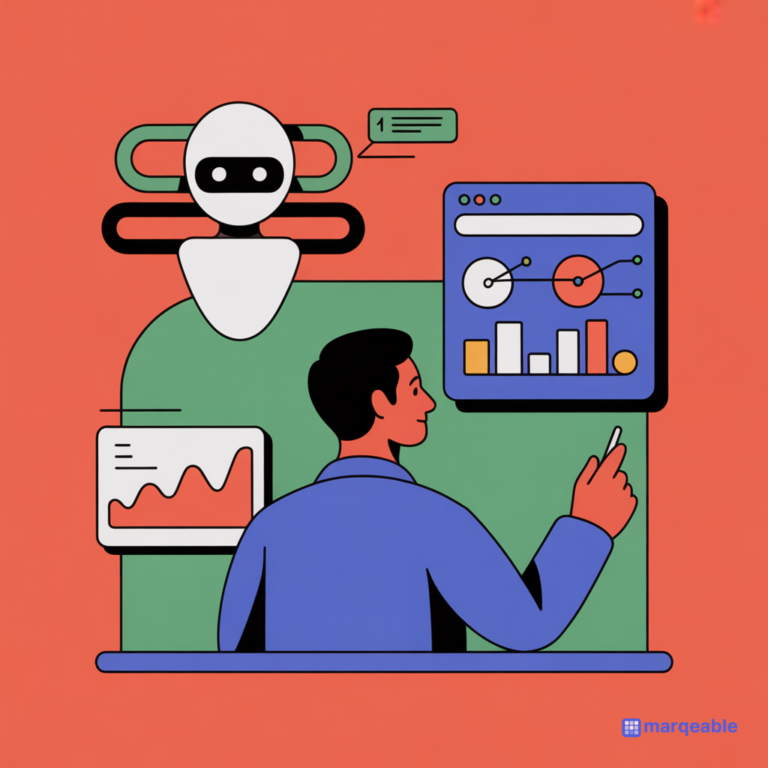
AI in marketing is here. It helps teams work faster, understand customers better, and make smarter decisions.
In today’s competitive landscape, AI is transforming marketing strategies in real ways. This guide breaks down five practical use cases that can help you put AI to work more effectively. From personalization to prediction, each example connects to the strategies we will explore in our upcoming webinar.
Introduction to AI in marketing
AI helps marketers move from guesswork to better planning. Instead of spending hours on manual tasks or sorting through scattered data, teams can use AI to uncover patterns, automate routine work, and improve campaign performance.
Just as important, AI supports stronger marketing strategies without forcing teams to scale headcount at the same pace. That makes it useful for both growing teams and established leaders looking for more efficiency.
Use Case 1: Personalization
One of the most practical uses of AI in marketing is personalization. AI can analyze customer behavior, interests, and past actions to help teams deliver more relevant content, offers, and timing.
This can improve:
- Email engagement
- Website experiences
- Product recommendations
- Ad targeting
When messages feel more relevant, customers are more likely to respond. In other words, personalization helps brands connect without relying on broad, one-size-fits-all campaigns.
Use Case 2: Customer Insights
AI is also valuable for turning large amounts of data into clear customer insights. It can spot trends in campaign results, audience behavior, and content performance much faster than manual analysis.
With better insights, marketers can:
- Understand what content resonates
- Identify audience segments
- Find drop-off points in the customer journey
- Make faster, data-driven decisions
As a result, teams spend less time digging through reports and more time acting on what matters.
Use Case 3: Predictive Analytics
Another high-impact use case is predictive analytics. AI can use historical data to forecast likely outcomes, such as which leads may convert, which campaigns may perform best, or when customer interest may change.
That helps marketers plan ahead with more confidence. Rather than reacting after results come in, teams can make smarter choices earlier in the process.
Use Case 4: Content Optimization
AI can help marketers improve content before and after it goes live. It can suggest better headlines, identify high-performing topics, and highlight patterns in engagement across channels.

This supports stronger content marketing by helping teams:
- Create content aligned with audience interest
- Improve clarity and consistency
- Test variations more efficiently
- Scale production without losing quality
For teams trying to do more with limited resources, this is a practical advantage.
Use Case 5: Campaign Automation
AI is especially useful for automating repetitive marketing tasks. That includes audience segmentation, lead scoring, send-time optimization, and performance monitoring.
By automating routine work, marketers can focus on strategy, creative thinking, and decision making. Put simply, AI helps teams save time while improving consistency across campaigns.
Why these use cases matter now
These five examples show that AI is not just a trend. It is a working tool that helps marketers build better strategies, improve performance, and scale operations more effectively.
If you want to see how these use cases apply in real marketing workflows, our webinar will go deeper into the tactics, tools, and planning approaches behind them.
Conclusion
AI is changing how modern teams build and execute marketing strategies. From personalization and customer insights to predictive analytics, content optimization, and automation, the most practical use cases all point to the same outcome: smarter decisions and more efficient execution.
The key is to start with real business needs, not hype. If you want a clearer view of how to apply AI in marketing in a practical way, read more and sign up for the webinar. It is a simple next step to learn what works and how to put it into action.